


Quicken: Intelligent Money
4.71.36K Reviews
App Specs
- Version
- Varies with Device
- Updated On
- License
- Free
- Downloads
- 500,000+
- Developer
- Quicken Inc.
- Categories
- Finance
- Platform
- Android
Screenshots
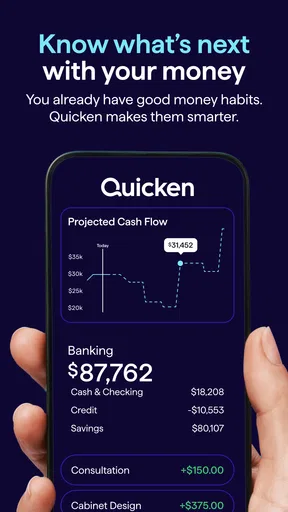
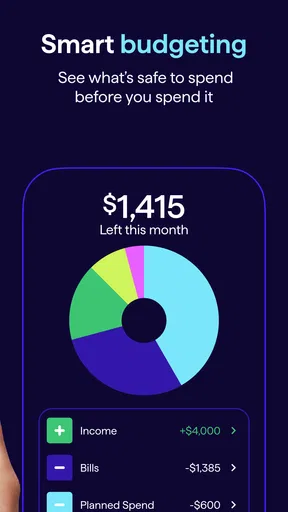
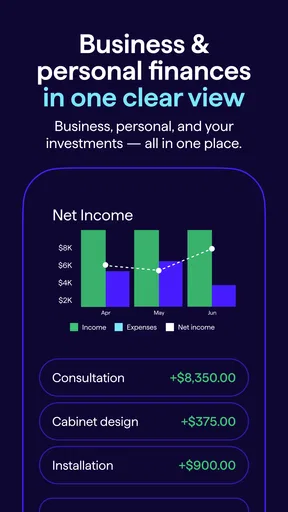
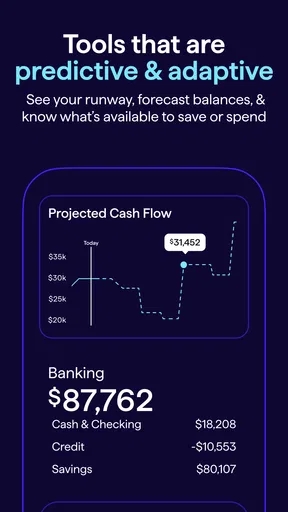

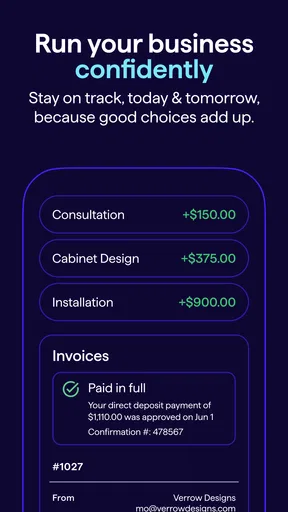

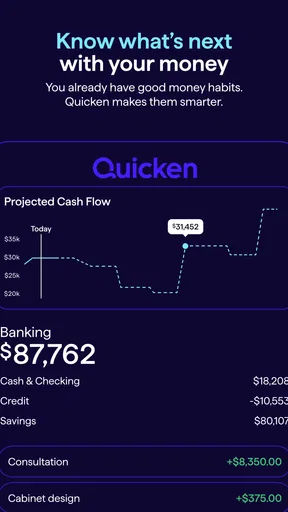
 Analysis by AppCompare
I judge a finance app less by how impressive it feels on day one than by whether I still open it when the novelty wears off. A budget is useful only if it fits into ordinary routines: checking a purchase before paying, spotting a bill among other transactions, or figuring out whether there is room for an unplanned expense. Quicken Simplifi: Budget Smart is built around that recurring check-in, and I find its strongest case is helping someone see day-to-day spending alongside the rest of their personal finances.
That makes it worth considering if you want a guided view rather than a budget you maintain entirely by hand. It is a free finance app from Quicken Inc., with in-app purchases ranging from $8.99 to $95.90 per item. Its Everyone age rating makes it broadly accessible, while the 4.3 average from around 4,200 ratings and over 500,000 installs suggest it has reached a substantial audience. Those figures may help establish that it is established, but they do not tell you whether its routine will suit yours.
Getting Started with Quicken Simplifi
The first-week appeal is easy to understand. So, let's dive into this app. Setting up Simplifi is as easy as pie. You download it from the App Store or Google Play, and boom—you're on your way to financial zen. The app welcomes you with a simple and intuitive interface. No need to have a degree in finance to get things rolling here. Trust me, if I can do it, anyone can.
Once you’re in, the app prompts you to connect your bank accounts. This might sound scary, but it's super secure and gives you a full view of all your finances in one place. It’s like having a personal finance assistant in your pocket 24/7. You can track every penny without the need to switch between apps or websites.
Features That Make Life Easier
The standout feature of Simplifi is its ability to categorize transactions automatically. Gone are the days of manually entering each coffee purchase or grocery run. The app does the heavy lifting, and it’s eerily accurate. It’s like it knows me better than my local barista does!
Another nifty feature is the spending plan. This isn't your typical budget that makes you feel guilty for every splurge. Instead, it adapts to your lifestyle, showing you what's left to spend after bills and savings. It's like having a wise old financial guru guiding you gently. Budget Smart, indeed!
If you’re like me and need constant nudges to stay on track, Simplifi’s alerts have got your back. Want to know when you're nearing your spending limit on dining out? The app will ping you before you order that extra dessert. And let’s not forget the savings goals feature. Whether you’re saving for a trip to Bali or just a new pair of sneakers, Simplifi keeps you motivated with progress tracking.
Worth Reading Before You Choose

EA SPORTS FC Mobile 26 Is a Bigger Football Game, but It Takes Time

Flipboard Shows What News Apps Must Do Beyond the Feed

Switching to Android Auto Means Rethinking Your Driving Routine

Google Calendar Makes a Crowded Week Easier to Manage

Ludo King Makes the Most of the Minutes Between Plans

Baby Panda World Brings Quick Play to Modern Phones, but Its Game Library Feels Busy
Making the Routine Work for You
My practical advice is to treat the first week as a calibration period, not a test of whether you are “good” at budgeting. Look through the transactions it groups together and correct the ones that do not reflect how you think about spending. A broad category can be convenient, but it is less useful if it hides the difference between an occasional treat and a regular cost you want to rein in. A few thoughtful corrections early on can make later reviews more meaningful.
For a realistic routine, I would check the plan before a flexible purchase and then review the transaction afterward if it landed in the wrong place. Imagine getting groceries after work when a friend suggests dinner out: seeing the remaining spending allowance gives you a quick reference, while the later transaction review helps keep the record honest. The point is not to let an app make the decision for you; it is to bring the trade-off into view before the month is nearly over.
Goals are more useful when they are tied to a choice you can actually revisit. If you are saving for travel, for example, look at the goal when deciding whether to spend from the same pool of flexible money. That makes progress tracking part of a decision rather than a decorative number on a screen. I would avoid creating lots of tiny goals at once: too many competing targets can make it harder to tell which one matters most.
Why You'll Love Using Simplifi
Let’s talk about usability. The app is sleek and fast, with no lagging or crashing—hallelujah! Navigating through your finances feels more like scrolling through a well-organized Instagram feed than wrestling with a dusty old ledger. Plus, the graphs and charts make it easy to visualize your spending habits.
One thing that really sets Simplifi apart is its community support. There's a whole network of users sharing tips and advice. It’s like a cozy little club where everyone’s rooting for your financial success. Whether you’re newbie or a seasoned budgeter, there's always something to learn.
What Changes After the First Month
Month-to-month value comes from using the plan as a reference, not treating it as a verdict. I would make a short recurring appointment to review recent transactions, check upcoming obligations against the available amount, and adjust categories that no longer match real life. A budget created once and ignored can quickly become a stale picture; a small review gives the plan a chance to remain useful as routines shift.
The app’s automatic categorization is a time-saver, but it does not remove the need for judgment. A purchase at a mixed retailer, a shared household expense, or an unusual one-off cost may not fit neatly into the first category assigned. Reviewing those exceptions is a better use of time than inspecting every routine transaction with equal intensity. If the same kind of mismatch keeps happening, correcting it consistently helps your history tell a clearer story.
This is where Simplifi differs from a spreadsheet or a manual envelope-style budget. A spreadsheet gives you control over every label and formula, but asks you to keep entering and maintaining the information yourself. A hands-on envelope method can make limits feel very concrete, though it may be less convenient for someone who wants a broad view of accounts and spending in one place. Simplifi sits between those approaches: more guided than a blank sheet, but still dependent on you checking whether its picture reflects your priorities.
The Learning Curve (Spoiler: It's Not Steep)
If you’re worried about a learning curve, rest easy. Simplifi offers helpful tips and tutorials to get you started. The app is designed to be intuitive, so even if numbers aren’t your thing, you’ll catch on quickly. And if you ever get stuck, their customer support is responsive and helpful. It’s like having a friendly guide with you on this financial journey.
Where the Convenience Has Limits
Connecting accounts is the step that makes an all-in-one view possible, but it is also a personal trade-off. Someone who is uncomfortable linking financial accounts may prefer a manual method, even if that means more effort and a less automatic record. Before relying on a connected view, I would check that the accounts and transactions important to my decisions are represented as expected. If a connection or a transaction does not look right, it is sensible to verify the details at the financial institution rather than assuming the app is the final authority.
There is also a difference between seeing spending and changing it. Alerts can prompt a pause when a category is approaching its limit, but they cannot decide whether a purchase is worthwhile or account for a change in priorities unless you respond to them. Too many notifications can become background noise, so I would focus on the reminders that affect decisions I actually make. If I tend to ignore every alert, a quiet scheduled review may be more effective than expecting a ping to change my habits.
The small-business tools broaden the app’s appeal beyond personal budgeting, but I would not assume that a personal spending plan alone is enough for every business workflow. Someone whose finances require specialized business bookkeeping should compare those needs with a dedicated accounting tool before switching. For a small operator who mainly wants a clearer view of money alongside personal finances, the added scope may be convenient; for complex records, tax preparation, or detailed operational reporting, a specialist option may be the better fit.
Cost is another practical question once you move past the initial download. The app is free to install, while in-app purchases are available, so I would check the current purchase terms and decide what I would actually use before paying. The right comparison is not simply free versus paid: it is whether the convenience and ongoing visibility are worth the expense for your own routine. If you only need a basic monthly total, a simple spreadsheet or your bank’s existing tools may be enough.
When the Habit Starts to Feel Like Work
The main maintenance burden is not entering every coffee by hand; it is staying engaged enough to catch errors, review exceptions, and keep the plan aligned with changing priorities. That is manageable for someone who likes a brief weekly check. It may feel tedious to a person who wants a budget to run entirely in the background, especially if they have little interest in reviewing categories or responding to spending patterns.
Fatigue can also come from treating every deviation as a failure. A useful plan should help explain what happened, not turn ordinary life into a string of warnings. If a month includes an unexpected expense, I would rather use the record to understand the effect on the remaining plan than keep chasing an idealized target. This app is most helpful when it supports a flexible habit; it is less appealing if you want either strict enforcement or no involvement at all.
For couples or households, a shared view can prompt better conversations about recurring costs and common goals, but the app should not be expected to settle disagreements about priorities. I would agree on what counts as a shared expense and who is responsible for checking it before relying on categories to tell the whole story. For an individual with several accounts and a desire to connect the dots, the overview may be especially useful. For someone who needs a highly customized system or prefers cash-based tracking, a different approach could feel more natural.
Final Thoughts
All in all, Quicken Simplifi: Budget Smart is a fantastic tool for anyone looking to take control of their finances without the hassle. It’s user-friendly, feature-rich, and seriously makes managing money feel less like a chore and more like a rewarding part of adulting.
So, if you're ready to turn your financial chaos into clarity, give Simplifi a try. Download it, set it up, and watch as your money management skills soar. Who knew budgeting could be this satisfying?
My longer-term verdict is more measured: the app earns a place when its connected overview, spending plan, and reminders help you make better choices often enough to justify checking in. Its recurring value depends on a modest habit of correcting the occasional mismatch and revisiting the plan, not on a perfect setup or constant attention. If you want that guided middle ground between a hands-on spreadsheet and passive bank balances, it is worth considering. If you need specialized business accounting, dislike linking accounts, or will not review the information, a simpler or more focused alternative is likely to serve you better.
Pros
- Intuitive user interface for easy navigation.
- Real-time updates on spending and budgets.
- Customizable alerts for financial goals.
- Supports multiple accounts and banks.
- Detailed reports for better financial insights.
Cons
- Subscription required for full features.
- Limited offline functionality.
- Occasional syncing issues with accounts.
- Advanced features may overwhelm beginners.
- No cryptocurrency tracking support.
FAQs for Quicken: Intelligent Money
What features does Quicken Simplifi: Budget Smart offer?
Quicken Simplifi: Budget Smart offers a variety of features designed to help you manage your finances effectively. These include real-time syncing with your bank accounts, customizable budgeting tools, spending tracking, and personalized insights. Additionally, it provides bill reminders and financial goal-setting options to help you stay on top of your financial health.
Is Quicken Simplifi: Budget Smart secure to use with my financial data?
Yes, Quicken Simplifi prioritizes your data security. It employs bank-level encryption and other security measures to ensure your financial information is protected. The app does not store your login credentials and uses secure connections to sync your data, providing peace of mind when managing your finances.
Can I use Quicken Simplifi: Budget Smart on multiple devices?
Absolutely. Quicken Simplifi offers seamless synchronization across multiple devices. Whether you're using a smartphone, tablet, or computer, your financial data stays up-to-date and accessible from any platform. This ensures convenience and flexibility in managing your budget and expenses wherever you are.
Does Quicken Simplifi: Budget Smart offer customer support?
Yes, Quicken Simplifi provides customer support to assist users with any issues or questions. You can access support through their help center, which includes FAQs, guides, and tutorials. Additionally, there is an option to contact their support team directly for personalized assistance, ensuring a smooth user experience.
Is there a subscription fee for using Quicken Simplifi: Budget Smart?
Quicken Simplifi is a subscription-based service, offering various pricing plans to suit your needs. While there is typically a free trial available for new users, ongoing access requires a monthly or annual subscription. This fee supports the continual development and enhancement of the app’s features and security measures.


